


Live roulette studio streaming has matured well beyond a simple webcam feed of a spinning wheel. Today’s studios blend calibrated video pipelines with responsive interfaces that must hold up across phones, tablets and desktop browsers. For an Australian adult reader weighing where to spend time and money, the real question is whether the visual identity, navigation and localisation actually serve everyday play, not just whether the wheel turns. This review focuses on those interface and usability details, treating the studio stream as the core product rather than a backdrop to bonuses.
How the visual identity and navigation hold up under real use
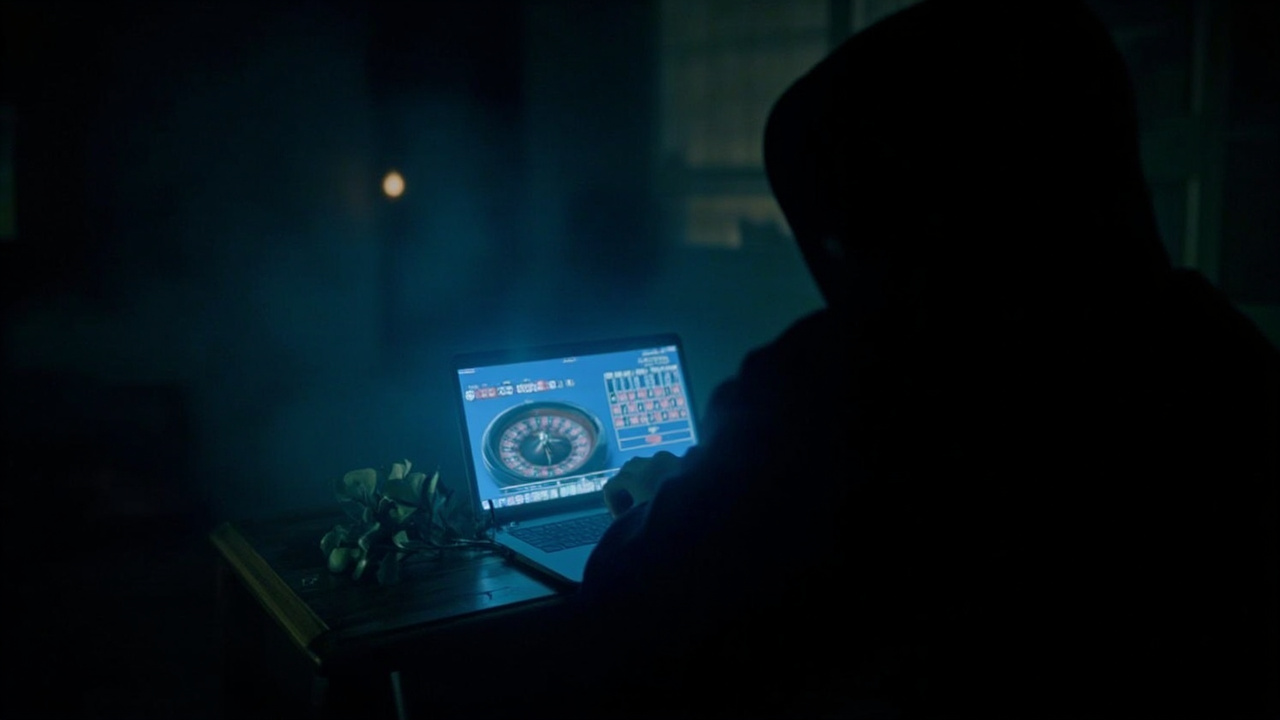
A credible live roulette studio streaming product treats its visual identity as part of the probability story, not decoration. The studio layout should read clearly at a glance: the wheel, the dealer’s actions, the betting table and the player’s own chips need distinct contrast so a quick glance during a busy arvo still tells you what 21bitbonuscodes.com matters. Navigation should follow a predictable rhythm, with lobby, table list, settings and account access reachable in two taps or fewer on mobile. When the studio streams multiple variants, the table filter must separate them by rules, minimum stake and language without burying the differences under generic labels.
From a game-design standpoint, that clarity is not cosmetic. I have built paytables where a muddy icon or a crowded row quietly changed how often players found the right bet, and the same principle applies here: a stream that makes the table hard to read will quietly erode confidence even when the RNG and the physical wheel are sound. A studio that commits to consistent typography, legible chip values and uncluttered table edges is making a real judgement call about who its players are. Where the interface instead leans on animated flourishes or dense promotional panels, the stream can still be technically competent while feeling fiddly to use.
What this means for Australians is straightforward. A local-facing studio should present stake amounts and payout language in a way that matches how players actually think about their bankroll, not in a format that forces constant mental conversion. When the visual identity and navigation are aligned with that expectation, the stream becomes easier to use for a casual session; when they are not, the same product can feel like work even before the first spin.spinago-legal-australia.com
Interface, localisation and everyday usability in practice
Localisation, language and currency in the stream layer
Localisation is where a live roulette studio streaming product either earns trust or gives it away. The table language, the dealer’s cadence and the on-screen text all need to sit together without pulling the player in opposite directions. A studio that offers an Australian-facing experience should keep currency presentation and bet labels consistent across the lobby, the table and the bet history, so a player is never guessing whether a displayed figure is the stake, the payout or the balance. The same consistency should extend to time displays, session timers and any in-stream messages, because a stream that keeps switching context forces the player to re-read instead of play.
I would judge a studio harshly here if it localised the lobby but left the table layer generic. That half-measure is the kind of mismatch that creates friction in exactly the places where players are most likely to question what they are seeing. A better approach is to treat localisation as a table-level property, not a site-wide banner, so each stream variant carries its own clear language, currency and rule set. That way the player can move between tables without having to relearn the presentation each time.
- Clear bet labels that match the displayed stake and payout format
- Consistent currency presentation across lobby, table and bet history
- Table-level language and rule display rather than a single site-wide setting
- Readable time and session indicators that do not compete with the wheel
Everyday usability on mobile and during a live session
Everyday usability is really about whether the stream keeps working when the player is not sitting at a desk. On mobile, the betting grid should remain tappable at common stake sizes, the table should not force constant horizontal scrolling, and the controls for adjusting chip value or repeating a bet should stay available without obscuring the wheel. A good studio design keeps the most important action in the centre of the screen and pushes secondary options into a predictable side area, so the stream stays readable even on a smaller handset.
Sienna Martin, Head of Analytics, Kangaroo Point Analytics, has pointed out that session length and bet frequency tend to drop when players have to hunt for controls mid-spin, and that observation fits what I see in studio design reviews: the stream is only as usable as the moments when the player is under time pressure. Benjamin Jackson, Payments Strategy Director, Sunburnt Country Interactive, has also noted that payment flows and account access should not interrupt the table experience, because a player who has to leave the stream to sort out a deposit or verification step is a player whose session has already been broken. The practical takeaway is that everyday usability includes the whole loop, not just the betting grid.
This is why recent evaluations of live roulette apps stress that every tap and swipe must feel instantaneous, even during high-stakes rounds. When the interface respects that constraint, players stay immersed instead of drifting toward the settings menu or a verification popup. You can see how top developers are tackling these friction points in a detailed breakdown at modern live roulette UX.
Daniel Fraser, Strategy Director, Red Centre Analytics, has cautioned that a polished stream can still underperform if the registration and account steps are built as an afterthought, so the studio’s usability story should extend from the first landing page through to how the player finds a table and returns to it later. When those pieces are consistent, the stream feels like a single environment rather than a collection of separate screens.
Linking the stream to player needs and session habits
The strongest live roulette studio streaming products connect their interface choices to how players actually behave, not to how a marketing page wishes they would behave. Some players want a quiet table with a clear pace and a dealer who keeps the rhythm easy to follow; others want a faster lobby with more tables visible at once. A studio that respects that difference will structure its navigation and table filters around pace, stake range and table rules, rather than forcing every visitor through the same crowded entry point. That matters because a stream that ignores player habits will keep looking competent while quietly losing people who cannot find the table that suits their session.
Player needs also include the boring but important parts of a session: knowing where the balance is, understanding how a bet was placed, and being able to leave and return without losing the thread of what happened. When the studio keeps those details legible, the stream supports a calmer session; when it does not, the same product can feel busy as a market stall even with a single dealer on screen. For a regional Queensland reader, that difference is especially concrete, because a session might happen on a phone in a break between other plans, where a cluttered interface is far more costly than it looks on a desktop review.
A studio that gets this right does not need to shout about it. The evidence shows up in whether the player can read the table, place a bet, check the result and move on without fighting the screen.
Live roulette studio streaming earns its place when the interface, localisation and everyday usability all point in the same direction. The stream should make the table legible, the navigation predictable and the local-facing details consistent enough that a player is not constantly re-reading the screen. Where those pieces are solid, the product feels usable for a real session; where they are not, even a well-produced stream becomes harder to enjoy than it ought to be.